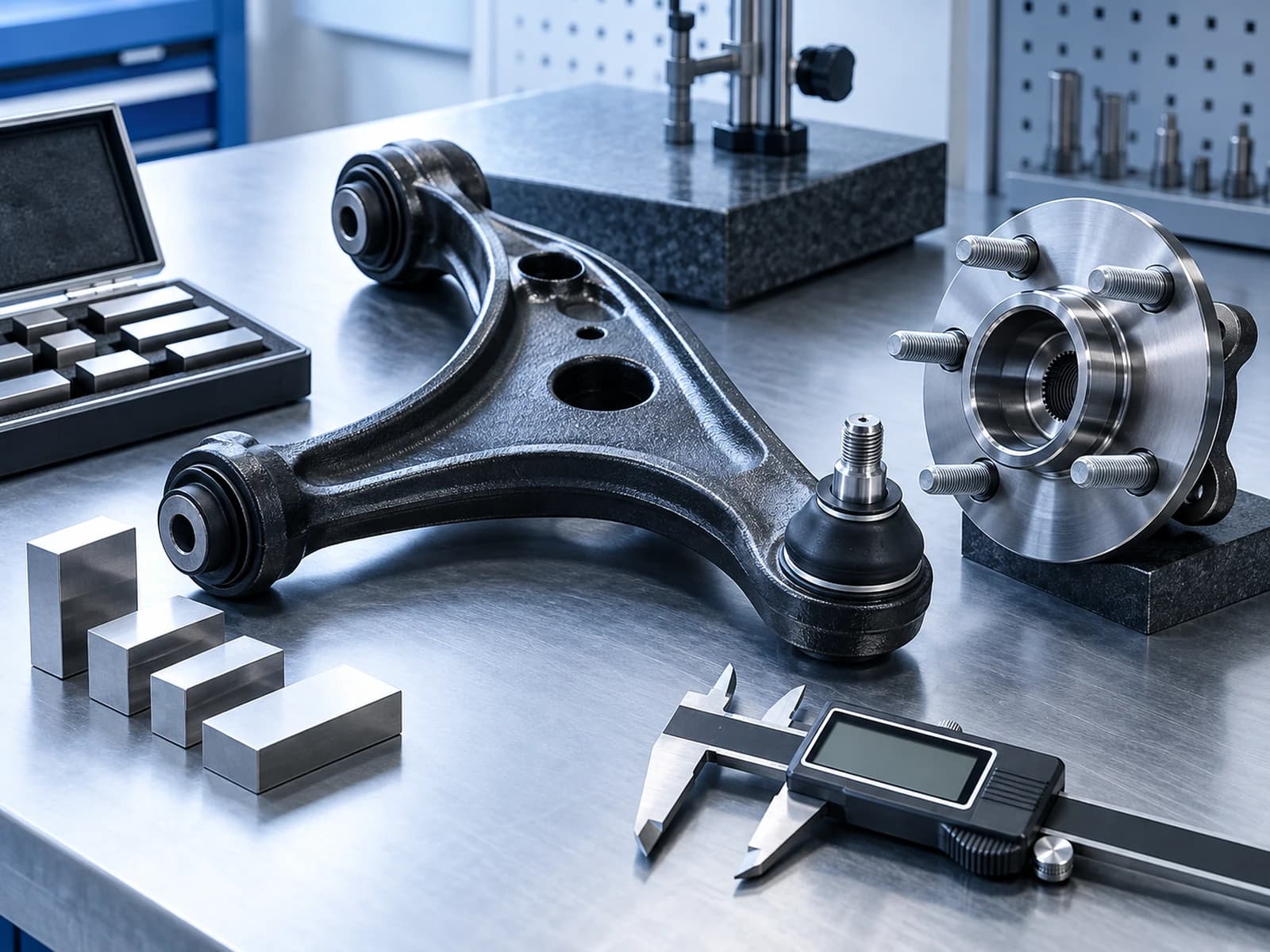
Identify the vehicle configuration
Record the brand, model, year and engine information for each vehicle group. Include VIN data where available. Separate vehicles with different configurations rather than assuming a shared model name means every part is interchangeable.
- Brand, model and year
- Engine and VIN information
- Separate configuration groups
Describe the operating context
Explain whether the request supports passenger use, commercial operation, repair work or fleet maintenance. Relevant load, road and usage information helps the sourcing discussion. It does not replace the part reference or vehicle details needed for fitment review.
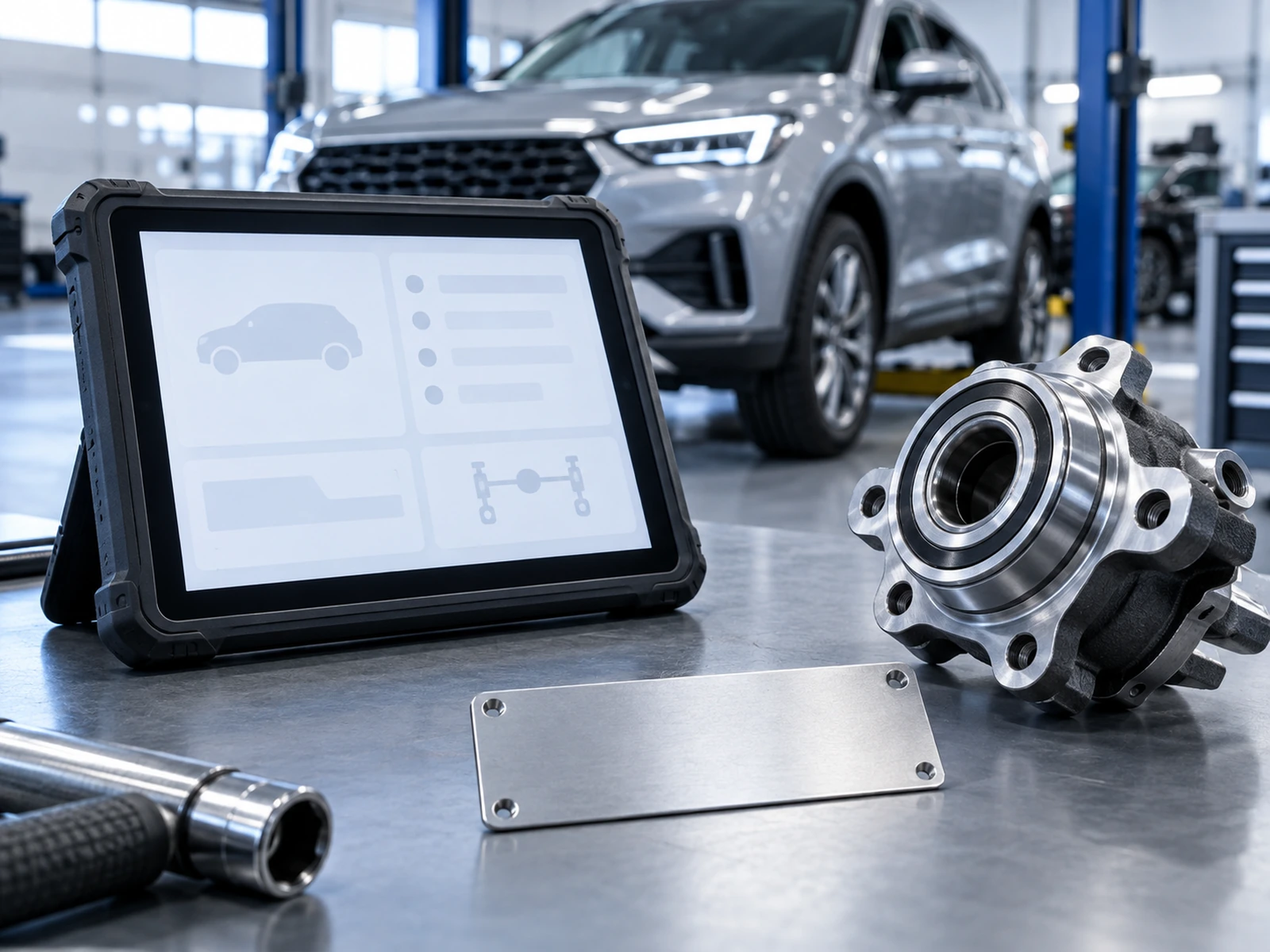
- Vehicle use and maintenance purpose
- Relevant operating conditions
- Part references for each request
Group requirements by maintenance task
Keep urgent replacement requests separate from planned purchasing lists. Identify the quantities required for each vehicle group and describe whether you need an individual part or a complete assembly. Link photographs and references to the appropriate line.
- Maintenance task or repair scope
- Quantity by vehicle group
- Assembly and component requirements
Prepare the order discussion
Send the consolidated list with the delivery destination and packing requirements. Confirm the final item references and vehicle applications before ordering. Product fitment and commercial conditions are reviewed for the particular request.
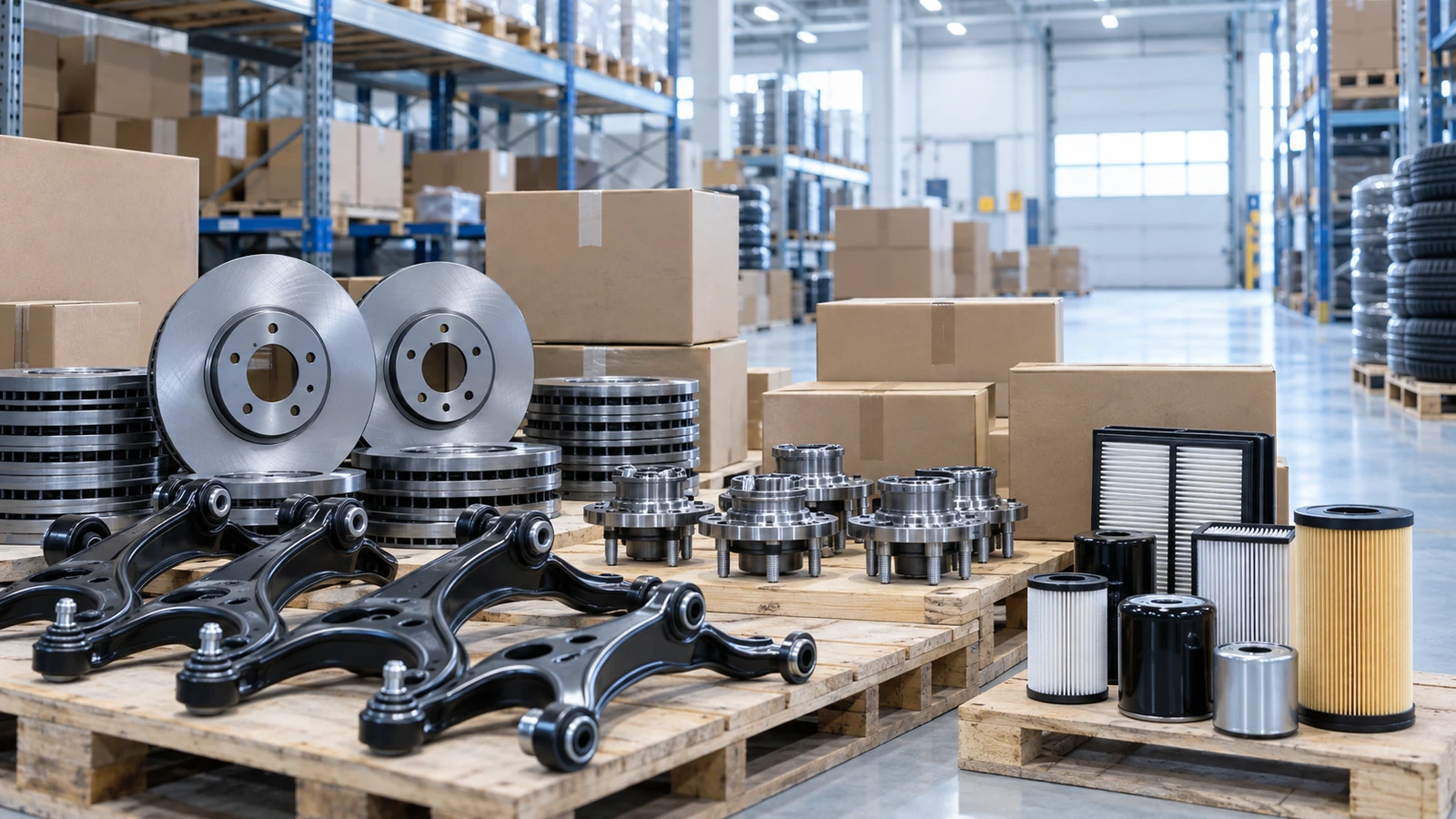
- Consolidated line-item list
- Destination and packing brief
- Final reference and fitment review